For the average consumer, coffee is a daily ritual—a comforting constant in a changing world. But beneath the surface of every cup lies a volatile and intricate global market. As of early 2026, the price of coffee beans is being buffeted by a confluence of powerful forces. While production forecasts point toward a potential surplus, immediate geopolitical tensions, soaring logistics costs, and the lingering effects of climate change are creating a market characterized by extreme volatility and historically high prices. This article explores the multifaceted dynamics of coffee bean pricing, examining how regional conflicts, global trade trends, logistical hurdles, and energy costs are brewed into every pound of coffee.
The Geopolitical Jolt: Regional Conflicts and Supply Chain Vulnerability
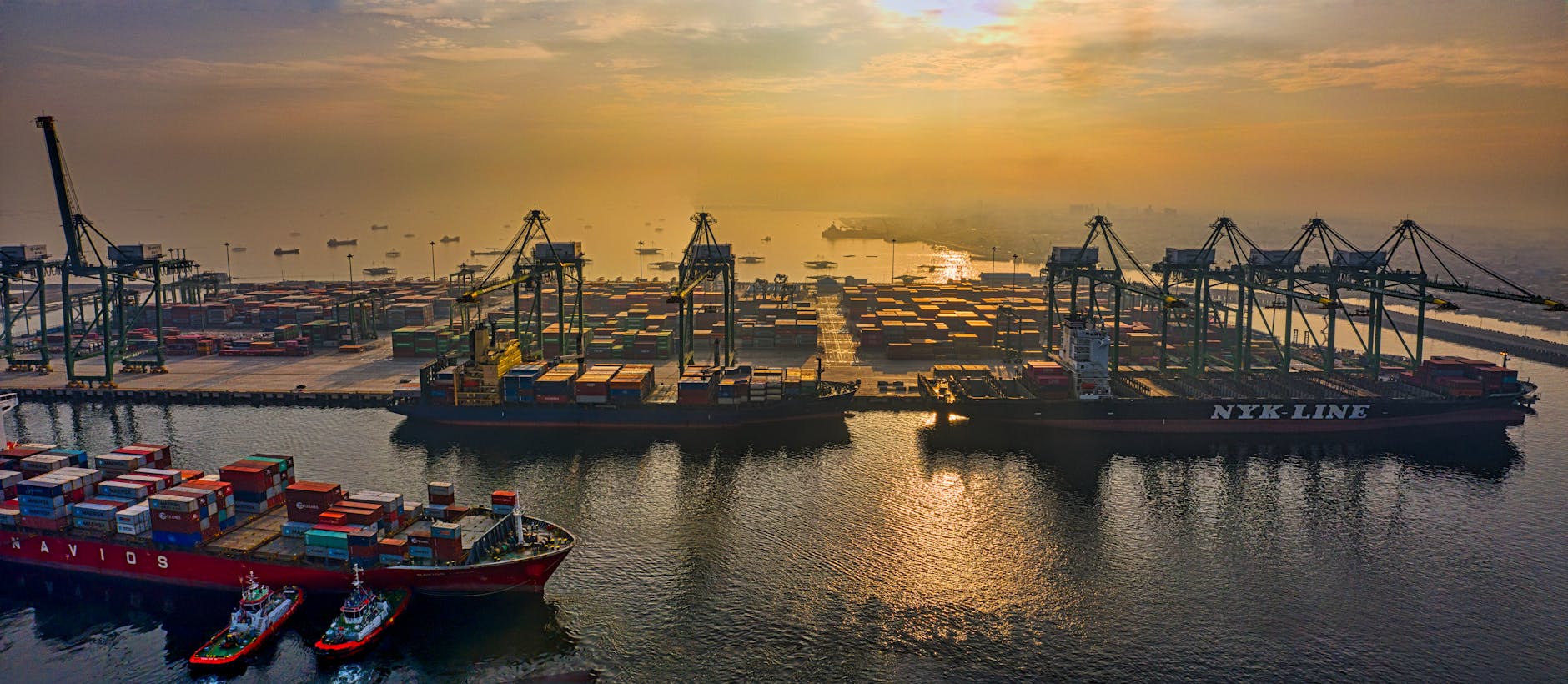
Perhaps the most immediate threat to global coffee prices in 2026 is not a bad harvest in a producing country, but a conflict thousands of miles away from any coffee farm. The escalation of hostilities in the Middle East, particularly involving Iran, has brought the Strait of Hormuz into sharp focus. As a pivotal chokepoint through which over 20% of the world’s oil passes, the closure or perceived threat to this waterway sends shockwaves through global supply chains. According to recent market analysis, the war has halted shipping through the strait, leading to a sharp increase in global shipping rates, insurance, and fuel costs. These “war risk” premiums are passed down the line, directly impacting coffee importers and roasters who rely on these sea lanes.
This geopolitical risk is not limited to oil. For coffee-producing nations like Ethiopia, where coffee constitutes 30-35% of export earnings, the instability in the Middle East creates a climate of cautious sourcing. Rising energy costs inflate the expense of transporting beans from inland farms to ports, squeezing the margins of exporters. Some buyers, wary of the instability, have even halted purchases from the region, demonstrating how distant conflicts can directly affect the livelihoods of farmers in the Horn of Africa.
Even indirect geopolitical actions have ripple effects. A recent fact-check highlighted the flawed but telling theory that sanctions on Belarusian potash—a key fertilizer component—could impact coffee prices. While the direct link was debunked (with droughts being the primary cause of price spikes in 2024-2025), the analysis did confirm that the initial disruption of fertilizer supply chains in 2022 following the war in Ukraine did contribute to global market volatility, raising costs for all agricultural producers, including coffee farmers in Brazil and Vietnam.
A Market of Extremes: Bearish Forecasts vs. Bullish Realities
The coffee market in early 2026 is a study in contradictions, often referred to as a “tug-of-war” between bearish supply outlooks and bullish logistical and geopolitical pressures.
On one hand, the fundamentals suggest prices should be falling. Rabobank projects a record global coffee production of 180 million bags for the 2026/27 season, an increase of about 8 million bags from the previous year. Brazil, the world’s largest coffee producer, is at the heart of this optimistic outlook. Conab, Brazil’s crop forecasting agency, predicts the country’s 2026 coffee production will climb by a staggering 17.2% year-over-year to a record 66.2 million bags. This is driven by a significant recovery in both arabica and robusta production. Simultaneously, Vietnam, the world’s largest robusta producer, has reported soaring exports, with January 2026 exports surging and the 2025/26 production projected to hit a four-year high. This abundance has caused prices to pull back from their peaks, with arabica hitting a 15-month low in late February.
On the other hand, this bearish outlook is constantly being undercut by immediate supply disruptions. Colombian coffee production, for instance, fell by 34% in January. More significantly, Brazil’s February coffee exports fell 17.4% year-over-year, a reminder that a forecasted bumper crop doesn’t always translate to immediate market availability. These contradictory signals create a highly sensitive market where any piece of news can trigger a price swing. As one Vietnamese trader noted, farmers, betting on even higher prices, are holding onto their beans, reluctant to sell large quantities despite the current high rates.
The Logistics Labyrinth: Freight Costs and Supply Chain Innovation
Beyond the farm, the journey of a coffee bean is a logistical challenge that significantly impacts its final price. The increase in global shipping costs, exacerbated by the Red Sea and Strait of Hormuz crises, is a primary concern. But there are also micro-level logistical trends shaping the market.
In China, a major and growing coffee market, innovative solutions are being implemented to cut costs and secure supply. The city of Kunshan, which doesn’t grow a single coffee bean, has transformed itself into a “world coffee hub”. Leveraging its strategic location in the Yangtze River Delta and favorable trade policies, Kunshan hosts a massive Asia-Pacific coffee bean distribution center. Here, beans from over 30 countries, including Ethiopia and Brazil, are stored, processed, and distributed with remarkable efficiency. The streamlined customs process has slashed inspection times by two-thirds and reduced logistics costs by 20% for companies, demonstrating how supply chain innovation can partially offset global cost pressures.
Similarly, domestic logistics are being optimized. A dedicated freight train recently completed a 2,000-kilometer journey from China’s Yunnan coffee region to a roasting plant in Xiamen. This direct “origin to production” link cuts transit time and creates a more efficient supply chain, connecting inland farms directly with coastal processing hubs and end consumers. These examples highlight how the global coffee trade is not just reacting to cost increases but actively engineering new pathways to maintain efficiency.
The Energy Factor: From Field to Roaster
Energy cost is the invisible thread woven through every stage of coffee production. It begins on the farm, where the price of fuel impacts the cost of running irrigation pumps and, crucially, the cost of manufacturing and transporting fertilizers. Higher crude oil prices, spurred by the same geopolitical conflicts that disrupt shipping, make these essential inputs more expensive, cutting into farmers’ profits or forcing them to raise prices.
The link is perhaps most direct in transportation and logistics. When oil prices spike by over 8% in response to strikes in the Middle East, it immediately raises the cost of the fuel needed to power container ships, trucks, and trains. This surcharge is added to the freight rate, making every shipment of beans from Santos in Brazil or Ho Chi Minh City in Vietnam more expensive.
Finally, energy costs hit the roasting plants themselves. Roasting coffee is an energy-intensive process. As one German report noted, rising energy costs in manufacturing are a key reason why high coffee prices are expected to plateau rather than fall significantly, even if the raw bean prices at the stock exchange soften. Roasters and retailers absorb these increased operational costs, passing them on to the consumer in a delayed and partial manner, which is why supermarket prices often remain high even as futures markets dip.
Trends and the Consumer: A New Era of Premium Pricing
For the end consumer, the combination of these factors points to one inevitable conclusion: coffee is becoming a premium product. While the extreme price spikes of 2024 may have eased, the market has settled into a “plateau on a high level”. In Germany, for example, what was once considered an affordable everyday item is now increasingly viewed as a luxury good, with prices for standard supermarket brands reaching what used to be premium levels.
This is compounded by other long-term trends. Climate change continues to pose an existential threat to coffee farming, with unpredictable weather patterns—droughts, extreme heat, and unseasonal rains—damaging crops in key nations like Brazil and Vietnam. Furthermore, stricter regulations in major consuming markets, such as the European Union’s rules on deforestation, require companies to invest in more transparent and traceable supply chains, which adds another layer of cost.
In response, the market is bifurcating. There is growing demand for high-quality, specialty, and certified sustainable coffees, which command higher prices and can better absorb cost increases. Meanwhile, the lower end of the market faces immense pressure, with price promotions becoming rarer as margins shrink across the board.
Conclusion
The price of coffee in 2026 is a distillation of global instability. It reflects not just the simple economics of supply and demand, but the complex geometry of geopolitical risk, energy dependence, and logistical resilience. A conflict in the Middle East can raise the cost of shipping beans from Vietnam. A drought in Brazil can erase gains from a record harvest forecast. And innovative logistics in China can offer a blueprint for navigating the chaos.
For consumers, this means the era of cheap, abundant coffee may be fading. The price on the bag is a reflection of a world where supply chains are increasingly fragile and the cost of production—from the field to the roaster—is inextricably linked to the volatile price of energy and the unpredictable nature of geopolitics. As the market navigates the tension between record-breaking production forecasts and immediate, real-world disruptions, one thing is certain: the journey from bean to cup has never been more precarious. ☕️
 Reelkopi Home
Leave a comment