Why Medium-Dark Arabica is the King of Coffee
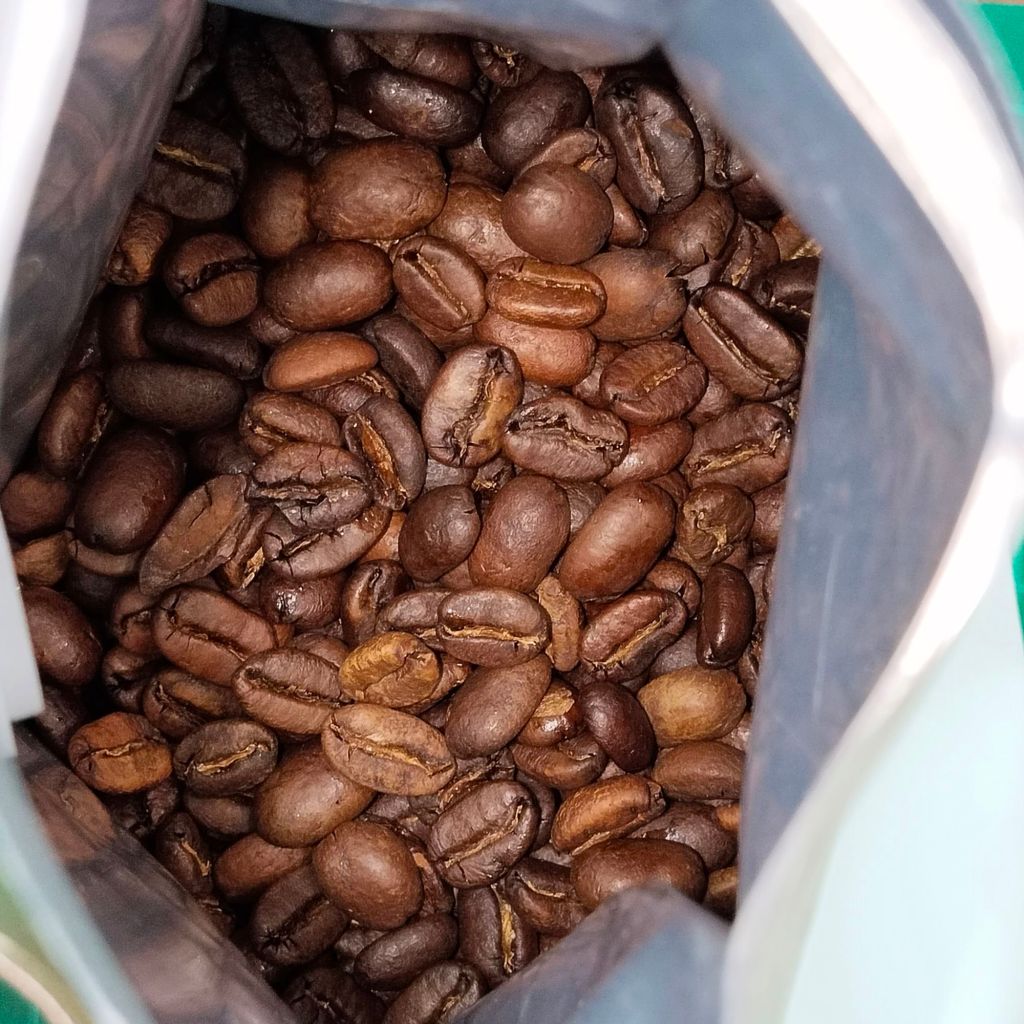
In the world of coffee, few debates are as passionate as the one over the “best” roast. While personal preference will always reign supreme, a compelling case can be made that the pinnacle of coffee enjoyment is found in Arabica beans roasted to a medium or dark level. This isn’t merely a matter of taste; it’s the culmination of genetics, chemistry, and craftsmanship converging to create a truly superior cup.
To understand why, we must first acknowledge the star of the show: the Arabica bean (Coffea arabica).
The Superior Canvas: Why Arabica Reigns Supreme
Arabica beans are the wine of the coffee world. Compared to their robust, high-caffeine cousin Robusta, Arabica is inherently more complex and refined. Grown at higher altitudes in often challenging conditions, the bean develops slowly, concentrating its sugars and creating a vast spectrum of nuanced flavors.
A high-quality Arabica bean is a treasure trove of potential tasting notes before it even touches a roaster—hints of fruit, berries, chocolate, nuts, caramel, and flowers. Robusta, by contrast, is often described as stronger but more one-dimensional, with earthy, woody, or rubbery notes. It’s the difference between a fine, single-origin chocolate bar and a generic chocolate candy. You start with a superior ingredient.
The Alchemy of the Roast: Unlocking Potential
This is where the magic happens. Roasting is the process that transforms the raw, grassy-tasting green bean into the fragrant, brown bean we know and love. The roast level determines which of the bean’s inherent qualities are highlighted.
- Light Roasts: Celebrate the bean’s origin. They are bright, acidic, and complex, showcasing the specific terroir (the environmental conditions where it was grown). However, this very acidity can be sharp and challenging for some palates, potentially masking the deeper, richer flavors waiting to be unlocked.
- Dark Roasts (and the darker end of Medium): Create a symphony of the roast itself. The prolonged heat causes a beautiful cascade of chemical reactions. Sugars caramelize deeply, creating rich, sweet notes of caramel, chocolate, and nuts. The Maillard reaction (the same process that browns steak and bread) develops profound roasted, toasty, and bittersweet flavors.
The true genius of a medium to dark roast applied to Arabica beans is that it achieves the perfect balance. It retains enough of the bean’s origin character to be interesting while fully developing the rich, comforting flavors created by the roasting process.
Why Medium-Dark Arabica is the Best of Both Worlds
- The Ultimate Balance of Flavor: This roast profile is the sweet spot. You get the welcome acidity and fruity notes from the Arabica origin, now perfectly harmonized with the deep, sweet, and bitter notes from the roast. It’s complex without being challenging, and rich without being one-dimensional.
- The Signature Coffee Experience: For many, the aroma and taste of a medium-dark roast are the definition of coffee. It delivers on the promise of a warm, comforting, and deeply satisfying cup with those classic notes of dark chocolate, caramelized sugar, toasted nuts, and a hint of spice.
- Versatility is its Virtue: A good medium-dark roast Arabica is incredibly versatile. It performs brilliantly across all brewing methods. It makes a clean, complex pour-over; a rich and full-bodied French press; a balanced and sweet AeroPress; and it is the undisputed champion for espresso. The oils released at this roast level (visible as a slight sheen on the beans) create the glorious crema on top of an espresso shot and provide the structure for a perfect latte or cappuccino, where its robust flavor can stand up to milk.
- Body and Mouthfeel: The roasting process develops the body of the coffee, giving it a heavier, more syrupy, and satisfying mouthfeel than lighter roasts. This sensation of weight and richness on the tongue is a key part of the coffee experience for countless drinkers.
Addressing the Dark Side of Dark Roasts
A common critique is that dark roasts “burn away” the bean’s origin character. While it’s true that a very dark roast (often called an “Italian” or “French” roast) can overshadow subtle origin notes, a well-executed full-city or Vienna roast (the stages between medium-dark and dark) does not burn the bean. It masterfully develops the sugars and oils to their peak, creating a flavor that is an art form in itself.
The key is starting with high-quality Arabica beans. A master roaster uses a darker profile to elevate a great bean, not to hide the flaws of a bad one.
The Verdict
Choosing a medium to dark roast for your Arabica beans isn’t a preference for strength over subtlety. It is a preference for harmony over highlight. It is the decision to enjoy both the song of the bean’s origin and the deep, resonant bass note of the roast in a single, perfect chord.
It is the most complete expression of what coffee can be: simultaneously complex and comforting, sophisticated and satisfying. It is, for these reasons, the roast that has won the hearts of the world and rightly deserves its title as the king of coffee.
What’s your favorite roast? Explore a single-origin Arabica from Sumatra or Guatemala at a medium-dark roast and see if you taste the perfect balance for yourself. ☕️
 Reelkopi Home
Leave a comment