Understanding Roasting, Resting, and Degassing in Coffee Production
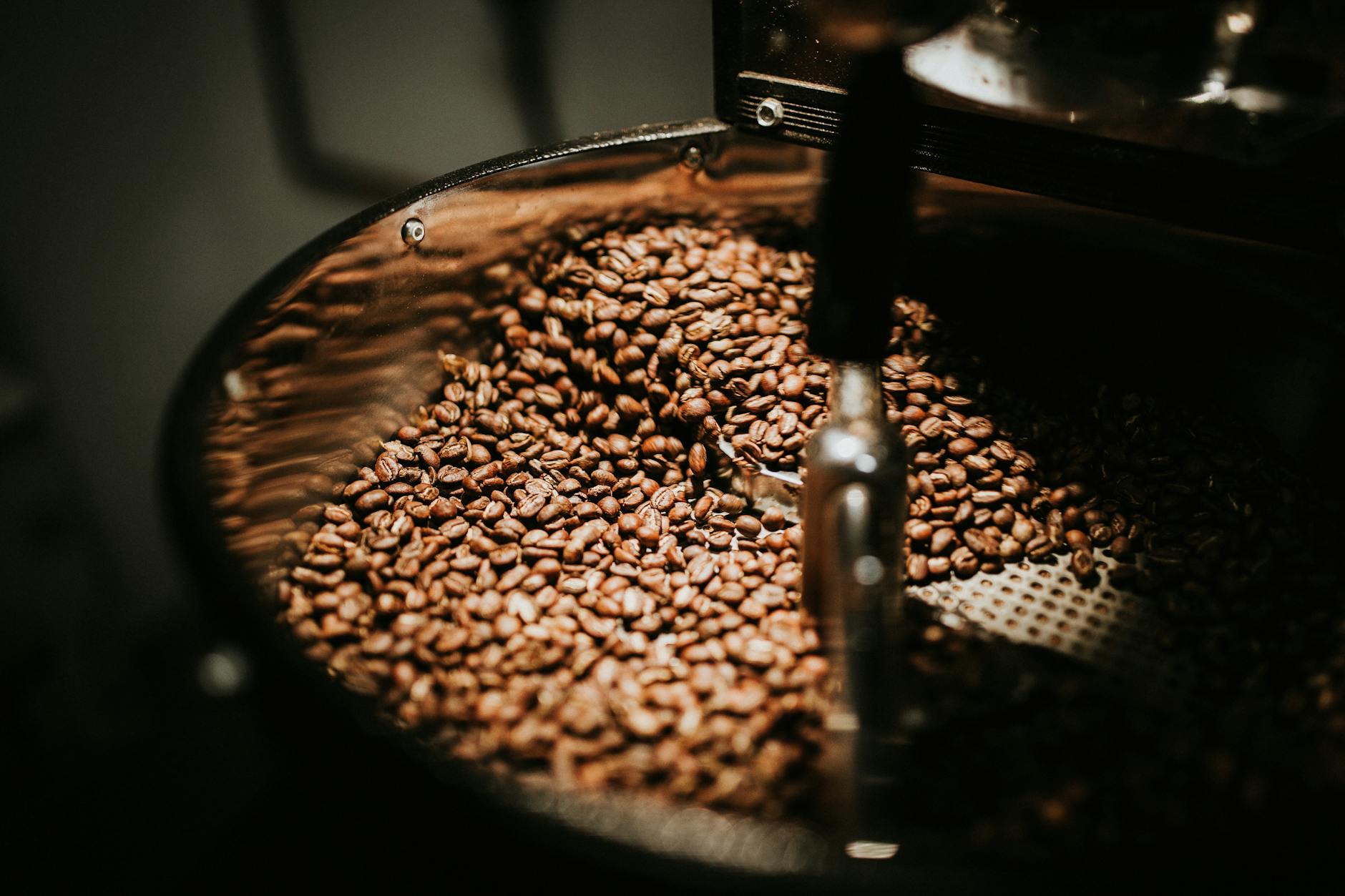
That rich, intoxicating aroma of freshly brewed coffee doesn’t just happen. It’s the culmination of a carefully orchestrated series of chemical transformations. It begins with the roar of the roaster and ends in the quiet patience of the resting period. Coffee enthusiasts and producers alike need to understand the journey from green bean to brew-ready. This understanding is key to unlocking the perfect cup. This journey hinges on three critical stages: roasting, resting, and degassing.
Part 1: The Fire of Transformation – Roasting
Roasting is where the magic begins. It’s a high-heat process that transforms dense, grassy-smelling green coffee beans into the fragrant, brittle beans we know and love.
The Process:
Inside the roasting drum, beans are subjected to temperatures typically between 180°C and 250°C (356°F – 482°F). As they tumble, they undergo a dramatic series of physical and chemical changes:
- Drying Stage: The beans lose their residual moisture, turning from green to a pale yellow.
- Maillard Reaction & Caramelization: This is the heart of flavor development. The Maillard Reaction occurs between amino acids and reducing sugars. It creates hundreds of flavor and color compounds. These compounds produce notes of chocolate, nuts, and toast. Caramelization further breaks down sugars, adding sweetness and body.
- First Crack: A pivotal moment that sounds like popping popcorn. The buildup of water vapor and CO₂ inside the bean makes it fracture. The bean doubles in size and becomes less dense. This marks the transition from a light roast to a medium roast.
- Development Stage: The roaster’s skill is most crucial here. They must carefully manage time and temperature to develop the desired flavor profile without burning the beans.
- Second Crack (optional for dark roasts): A faster, sharper cracking sound signals the breakdown of cellulose in the bean structure. Oils migrate to the surface, and flavors become more pungent and smoky.
The roaster must make split-second decisions to “drop” the beans into a cooling tray at the exact moment. This ensures that the desired flavor profile is captured. It may be a bright, fruity light roast or a bold, smoky dark roast.
Part 2: The Gaseous Aftermath – Degassing

The moment roasting stops, a new process begins: degassing.
During roasting, a tremendous amount of carbon dioxide (CO₂) is produced inside the bean. After the roast, this CO₂ begins to slowly seep out. This process is crucial because:
- Freshness Indicator: CO₂ is a sign of a fresh roast. Beans that have degassed completely are likely stale.
- Brewing Impact: Too much CO₂ in the beans will repel water during brewing. This leads to uneven extraction. The result is an acidic and sour cup. This is why using beans immediately after roasting often yields a disappointing brew.
- Packaging Consideration: Freshly roasted beans must be packaged in special bags with one-way degassing valves. These valves allow CO₂ to escape without letting oxygen in, which would rapidly stale the coffee.
Part 3: The Necessary Patience – Resting
If roasting is the storm, resting is the calm that follows. Resting, or “off-gassing,” is the period where we allow the degassing process to progress to an optimal level before brewing.
Why Rest Coffee?
- Flavor Mellowing: Immediately after roasting, coffee can taste sharp, overly acidic, or even smoky (“roast taste”). A resting period allows these harsh notes to dissipate. This lets the bean’s true, complex flavors shine through. These include its fruity, floral, or chocolatey characteristics.
- Improved Extraction: As excess CO₂ escapes, water can make better contact with the coffee grounds. This leads to a more even and balanced extraction during brewing.
How Long to Rest?
The ideal rest period is not one-size-fits-all and depends heavily on the roast style and brewing method:
- Espresso: Requires the longest rest, typically 5 to 14 days. The high pressure of an espresso machine is extremely sensitive to CO₂. Well-rested beans will produce a sweeter, more balanced shot with a stable crema.
- Filter Coffee (Pour-Over, Drip): Usually benefits from a 3 to 7-day rest. This allows for a clear, crisp cup with well-defined acidity.
- Roast Level: Dark roasts degas much faster than light roasts. Their more porous structure allows CO₂ to escape quickly, meaning they may peak sooner (around 3-5 days) and stale faster. Light roasts are denser and degas slower. They often need a full week or more to open up. Then, they reveal their nuanced flavors.
There is a peak of flavor after resting. Then, there is a gradual decline. Staling from oxygen begins to outweigh the benefits of degassing. For most coffee, the “sweet spot” is within the first two to four weeks after its roast date.
Conclusion: A Symphony of Science and Art
The production of great coffee is a symphony where roasting, degassing, and resting are the essential movements. The roaster provides the fire and the artistry, creating the potential for flavor. Degassing is the inevitable scientific process that follows. Resting demonstrates patience and respect for the craft. It allows the coffee to settle into its fullest expression.
We transform a simple seed into a complex and captivating beverage by understanding and honoring each stage. This ranges from the explosive heat of the roaster to the quiet patience of the rest. It becomes ready to be brewed and enjoyed at its absolute best. ☕️
 Reelkopi Home
Leave a comment