The Kapuziner is a fascinating and historically significant coffee drink that played a crucial role in the development of modern coffee culture, particularly in Central Europe. It is considered a direct precursor to the cappuccino, and its history is deeply intertwined with the cultural and culinary traditions of Austria and the broader Habsburg Empire.
Origins of the Kapuziner
1. 17th Century – Coffee in Vienna:
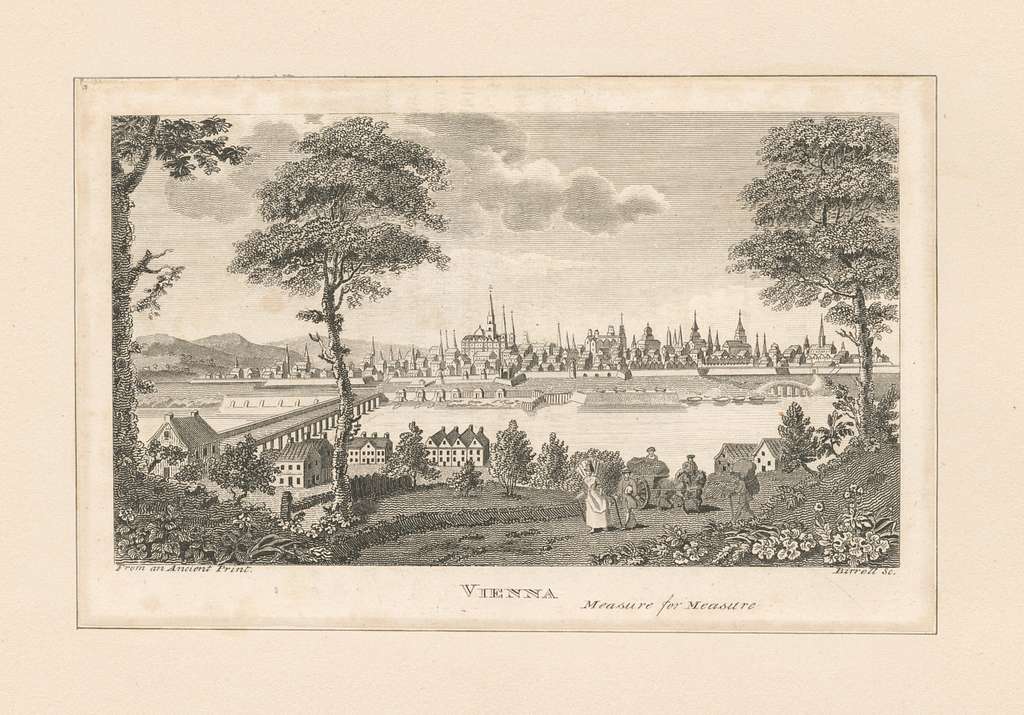
– Coffee was introduced to Vienna in the 17th century, likely during the Ottoman siege of Vienna in 1683. According to legend, the retreating Ottoman army left behind sacks of coffee beans, which were discovered by the Viennese. This marked the beginning of Vienna’s coffeehouse culture.
– The first coffeehouses in Vienna opened shortly after, becoming centers of social, intellectual, and political activity.
2. The Kapuziner Monks:
– The drink is named after the Capuchin monks (Kapuziner in German), a Catholic religious order known for their distinctive brown robes with pointed hoods (*cappuccio* in Italian, meaning “hood”).
– The color of the Kapuziner coffee, which combines dark coffee with cream, was said to resemble the monks’ robes, hence the name.
What is a Kapuziner?
The Kapuziner is a coffee drink made by adding cream or milk to strong, brewed coffee. It differs from the modern cappuccino in several ways:
– Ingredients: Traditionally, it was made with brewed coffee (not espresso), sweetened with sugar, and topped with a dollop of whipped cream or thick cream.
– Spices: Some versions included spices like cinnamon or cocoa powder, adding a unique flavor profile.
– Presentation: It was often served in a small cup or glass, with the cream floating on top, creating a layered effect.
Cultural Significance
1. Viennese Coffeehouse Culture:
– The Kapuziner became a staple of Viennese coffeehouse culture, which flourished in the 18th and 19th centuries. Coffeehouses were places where people gathered to read, discuss politics, play chess, and enjoy coffee.
– The drink was particularly popular among the middle and upper classes, who appreciated its rich and indulgent flavor.
2. Influence on Italian Coffee Culture:
– The Kapuziner’s popularity spread to neighboring regions, including northern Italy, which was part of the Habsburg Empire at the time.
– In Italy, the drink evolved into the cappuccino, especially after the invention of the espresso machine in the early 20th century. The cappuccino replaced brewed coffee with espresso and introduced steamed milk and foam, creating a lighter and more refined version of the Kapuziner.
Decline and Revival
1. Decline in Popularity:
– As espresso-based drinks like the cappuccino and latte gained popularity in the 20th century, the Kapuziner fell out of favor in many places. It became a relic of older coffee traditions, preserved mainly in certain regions of Austria and Central Europe.
2. Modern Revival:
– In recent years, there has been a renewed interest in traditional coffee drinks, including the Kapuziner. Specialty coffee shops and historians of culinary traditions have sought to revive and preserve this classic drink.
– Some modern versions of the Kapuziner use espresso as a base, blending the old and new traditions.
Kapuziner vs. Cappuccino
While the Kapuziner and cappuccino share a common heritage, they are distinct drinks:
– Kapuziner:
– Made with brewed coffee (not espresso).
– Sweetened with sugar and topped with whipped cream or thick cream.
– Often includes spices like cinnamon or cocoa.
– Cappuccino:
– Made with espresso as the base.
– Combines steamed milk and milk foam in equal parts.
– Typically unsweetened, though modern variations may include syrups or toppings.
Legacy of the Kapuziner
The Kapuziner is more than just a historical coffee drink; it represents a bridge between the old and new worlds of coffee. Its influence can be seen in:
– The development of the cappuccino and other milk-based espresso drinks.
– The enduring popularity of Viennese coffeehouse culture, which has been recognized by UNESCO as an intangible cultural heritage.
– The modern trend of revisiting and celebrating traditional coffee recipes.
If you’d like to try making a traditional Kapuziner at home, here’s a simple recipe:
Traditional Kapuziner Recipe
– Ingredients:
– 1 cup of strong brewed coffee (or espresso for a modern twist)
– 1-2 teaspoons of sugar (adjust to taste)
– 2-3 tablespoons of whipped cream or thick cream
– Optional: a pinch of cinnamon or cocoa powder for garnish
– Instructions:
1. Brew a cup of strong coffee or pull a shot of espresso.
2. Sweeten the coffee with sugar while it’s still hot.
3. Top the coffee with a generous dollop of whipped cream or thick cream.
4. Sprinkle with cinnamon or cocoa powder if desired.
5. Serve immediately and enjoy!
 Reelkopi Home
Leave a comment