From Algerian Battlefield to Global Dominance
Iced coffee has evolved from a military improvisation to a defining cultural and economic force in the global beverage industry. Its journey from a niche summer treat to a year-round staple is driven by generational shifts. Social media and a constant wave of innovation also contribute. These factors fundamentally reshape how the world consumes coffee.
❄️ A Cold Coffee Takes Root

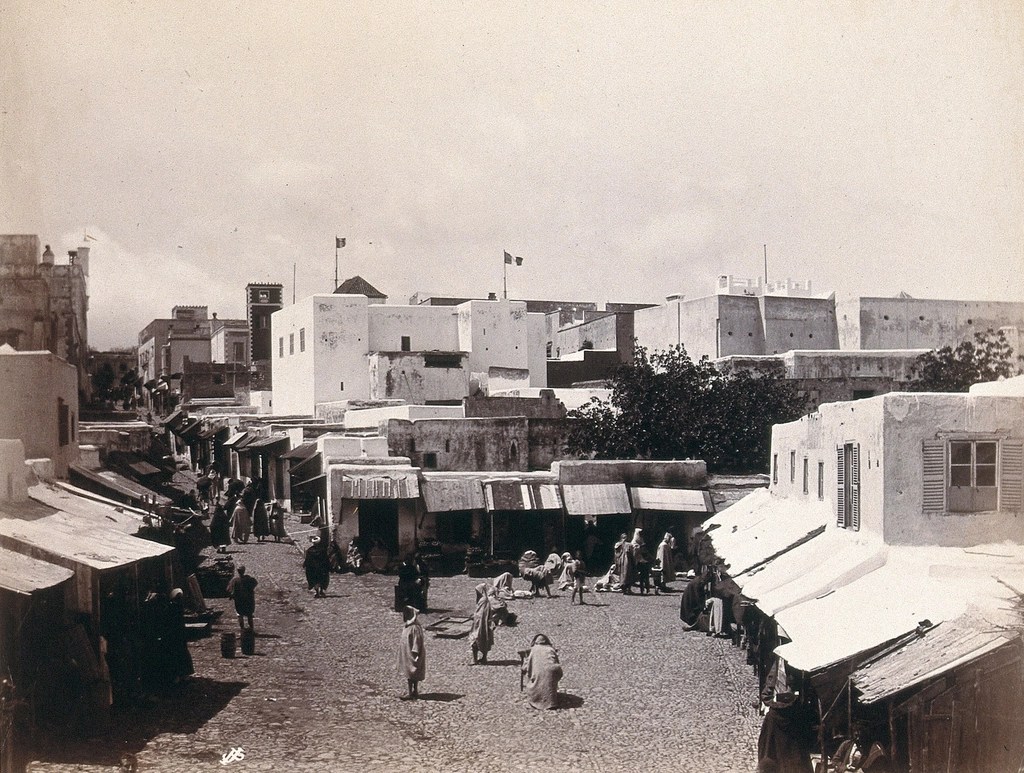
The story of iced coffee begins not in a trendy café, but on a 19th-century Algerian battlefield. Around 1840, French soldiers during the Battle of Mazagran reportedly ran out of milk. They began drinking their coffee cold with water to cope with the heat. This created a drink they called mazagran. Veterans brought the concept to Parisian cafés, planting the first seed of cold coffee culture.
For over a century, iced coffee remained a regional curiosity. Its first major popularity surge came from a 1920 U.S. marketing campaign by the Joint Coffee Trade Publicity Committee. Starbucks introduced the Frappuccino in 1995. This was the true modern catalyst. It transformed iced coffee from a simple chilled drink into a customizable, dessert-like experience accessible to a mass audience.
🌍 A Global Phenomenon with Local Flavors
Today, iced coffee is a truly global drink, with each culture imparting its unique signature:
- Greece: The frappé, an iconic frothy drink made by shaking instant coffee, water, and sugar, was accidentally invented in 1957.
- Vietnam: Cà phê đá is a strong, slow-drip coffee served over ice with sweetened condensed milk.
- Thailand: Brewed with spices like cardamom and often mixed with condensed milk and cream.
- Germany & Chile: Eiskaffee or café helado often features a scoop of vanilla ice cream or whipped cream in the coffee.
- Japan: Has a long history with chilled coffee, pioneering canned ready-to-drink coffee as early as 1969.
📈 The Driving Forces of a Multi-Billion Dollar Trend
The iced coffee market is booming, expected to grow from $11.1 billion to over $21 billion by 2034. This growth is powered by several key trends:
- Generational Shift: Iced coffee is the default for younger consumers. In the U.S., 49% of Gen Z had a cold, iced, or frozen coffee in the past day. As a Georgetown University marketing professor notes, for many young people, their first, and thus defining experience with coffee is an iced, sweetened version from chains like Starbucks or Dunkin’.
- Social Media & Customization: Platforms like TikTok, where the #IcedCoffee tag has hundreds of millions of views, have made visually layered and colorful drinks a lifestyle accessory. The endless customization of milk, syrup, and sweetness caters to a desire for personal expression.
- Premium Convenience: The Ready-to-Drink (RTD) market is exploding, offering café-quality cold brew and nitro coffee in cans. Meanwhile, flash brew (coffee brewed hot directly onto ice) is gaining popularity for preserving the bright, nuanced flavors of specialty beans in a cold format.
- Functional & Experiential Blends: Coffee is merging with wellness (adaptogen-infused brews) and mixology (espresso martinis, cold brew cocktails), creating new occasions for consumption.
- Economic Powerhouse: For coffee chains, iced drinks are a financial lifeline. They command higher prices with relatively low incremental cost. Remarkably, iced drinks accounted for 75% of Starbucks’ global beverage sales in 2024.
The next table summarizes the core techniques and consumer trends shaping the iced coffee landscape today:
| Feature/Trend | Description | Key Driver |
|---|---|---|
| Brewing Methods | Cold Brew (steeped 12+ hours), Flash Brew (hot coffee on ice), Double-Strength Hot Brew (to offset dilution). | Flavor preference (smooth vs. bright), convenience. |
| Ready-to-Drink (RTD) | Canned/bottled cold brew, nitro coffee, latte cans available in stores. | Demand for premium quality with on-the-go convenience. |
| Customization | Infinite combinations of milk, sweeteners, flavors, and caffeine levels. | Personal expression, social media sharing, American “build-your-own” culture. |
| Functional Blends | Coffee with added protein, nootropics, adaptogens, or superfoods. | Health and wellness focus, seeking benefits beyond caffeine. |
🧊 The Future on Ice
Iced coffee is more than a passing trend; it’s a permanent pillar of coffee culture. Future innovation will likely focus on sustainability (regenerative farming, compostable packaging), deeper global flavor exploration, and further digital integration with brands. As one industry expert noted, while fads like Dalgona coffee evolve, the foundational shift toward cold, customizable, and experiential coffee is here to stay.
The ritual of coffee has been reinvented. No longer just a hot morning pick-me-up, it is a cold, customizable, and shareable companion for any time of day, reflecting a modern culture that values individuality, convenience, and experience in every sip.
☕️
 Reelkopi Home
Leave a comment